As the largest manor house in the Engadin, the Chesa Planta dominates the Plazzet in Samedan. The northern part dates back to the late 16th century, the southern part was added in the 18th century. The Chesa Planta was owned by the von Salis family for more than 200 years. In 1817, the property passed to the von Planta family through marriage. At the request of four female descendants of the von Planta Samedan family, the house and its inventory were transferred to a public foundation in 1943. The library and the living museum with the furniture of the two noble families still form the basis of the cultural offerings today. The Fundaziun de Planta has also been running Romansh language courses in Samedan every summer for 50 years and in Sils i.E. in the fall since 2020. The Chesa Planta Samedan is accessible as a cultural center and is considered the center of excellence for the Romansh language and culture in the Upper Engadine.
Chesa Planta, Samedan
Engadin Museum Night 2026
3 mini-tours, each lasting 30 minutes, for up to 12 people each:
Permanent Exhibition
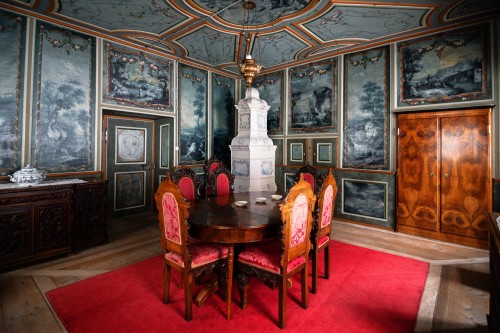
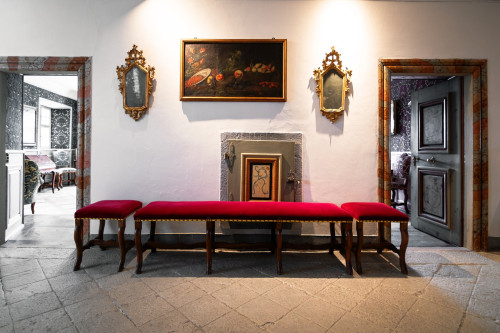
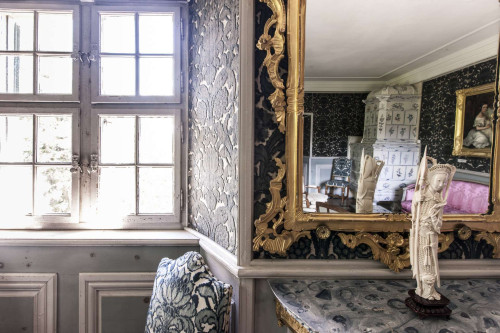
A Unique Living Museum
The museum housed within the building offers insights into the life of the nobility in the Engadin over several centuries and reflects the European aristocratic lifestyle. As far as is known, the objects on display were actually used by the residents themselves. This allows visitors to experience the culture of daily life in a historically authentic way.
WEDNESDAY GUIDED TOURS


Temporary exhibition
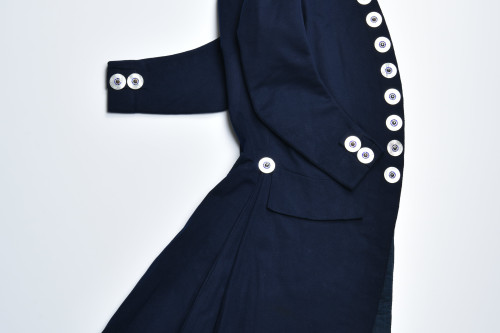
SPECIAL EXHIBITION "Historical Dresses"
Mercenaries, Diplomats, and Bon Vivants – Stories from the Wardrobes of the von Salis and von Planta Families
This exhibition is dedicated to the Fundaziun de Planta’s unique collection of historical textiles—dating from the late 17th to the mid-19th century. The focus is on distinctive men’s garments from the von Salis and von Planta families, which were worn, altered, and passed down through generations before being stored for many years in the attic of Chesa Planta in Samedan.
These garments blend everyday Engadine attire with international fashion influences and tell the stories of their wearers’ lives—mercenaries, diplomats, and businessmen. The wardrobe reflects social status and personalities, as well as Graubünden’s diverse connections with Europe. Here, the clothing becomes a narrator of movement, encounters, and contemporary history.
Concept and scholarly guidance: Thessy Schoenholzer Nichols
Exhibition design and concept: Bernhard Duss
Exhibition design implementation: Manuela Dorsa
STARTING JULY 14