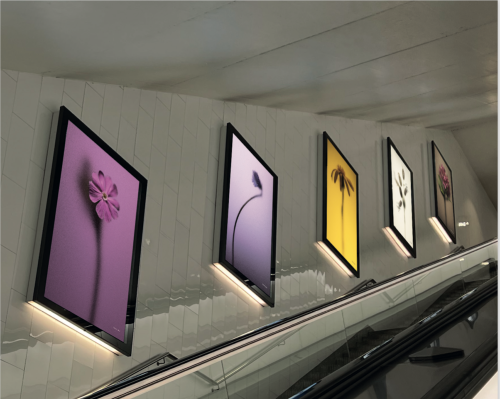
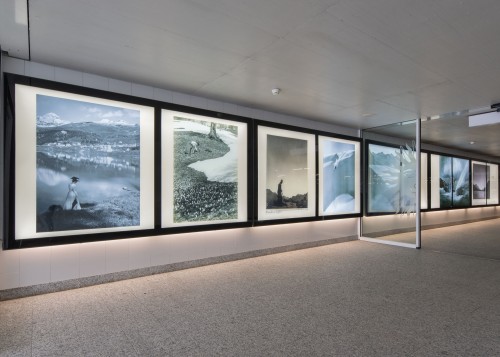
The ST. MORITZ DESIGN GALLERY is open around the clock, 365 days a year. Along the pedestrian passage from Badrutt's Palace Hotel to the lake, 31 large illuminated showcases are installed. Here, changing exhibitions with valuable posters and photographs are realized, creating a veritable art gallery that presents themes to passers-by in poster form.
Design Gallery, St. Moritz
Engadin Museum Night 2026
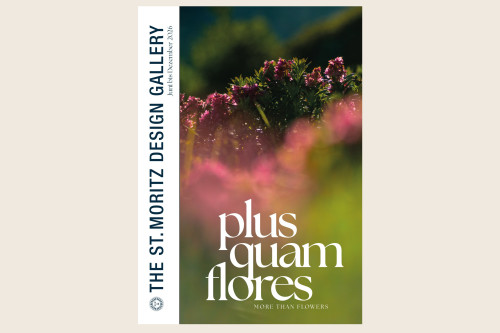
PLUS QUAM FLORES – more than flowers: Photo Exhibition by Gian Giovanoli
Temporary exhibition
PLUS QUAM FLORES – more than flowers
Photo exhibition by Gian Giovanoli, photographer
Summer 2026
The lives of the Engadine valley’s inhabitants have always been closely intertwined with the plants of the alpine mountains. Herbs and grasses have always been more than just flowers: they form the basis of a finely balanced ecosystem and serve as nutrition for both wild and domestic animals, as well as for us humans. Many species are deeply rooted in local art and culture. They are found in traditional remedies and recipes and continue to shape the know- ledge and relationship with nature.
Around 1700, the Upper Engadine physician Jachiam E. Frizzun also utilized the healing powers of alpine plants, as the herbalists and farmers of the region had done for centuries before him. To this day, children adorn themselves with «Rösas,» colorful paper flowers, during Chalandamarz (the traditional winter festival), and drive away the winter spirits with cowbells, singing, and whip cracking.
The beauty of the alpine flora has found diverse expression in Engadine art and archi- tecture. Floral motifs still adorn hotel lobbies and private villas today, but their artistic realization is particularly impressive in the works of local decorative painters. For example, the Engadine artist Kaspar Donatsch decorated the old community hall of St. Moritz, now the kindergarten in the village schoolhouse, with floral ornaments that capture the alpine flora in vibrant colors and forms.
Stories and fairy tales also tell of the close connection between people and the mountains. An old Engadine fairy tale, retold by Sina Semadeni-Bezzola, tells of the flower angel Flurina, who gave people three wondrous flowers: the yellow flower, Vivanda, to ward off hunger, the red flower, Pigna, to ward off the cold, and the blue flower, Allegria, to ward off sadness. However, when people became complacent and argued over the flowers, Flurina took them away again. The Trais Fluors was created as a memorial to commemorate this event. The wish for joy remains to this day in the Engadine greeting: «Allegra.»
The photographic project by Engadine fine-art photographer Gian Giovanoli and the exhibition «Plus quam flores – More than Flowers» are dedicated to native alpine flowers. What appears
from afar as an overwhelming sea of blossoms reveals, up
close, a quiet, multifaceted world of individual plants.
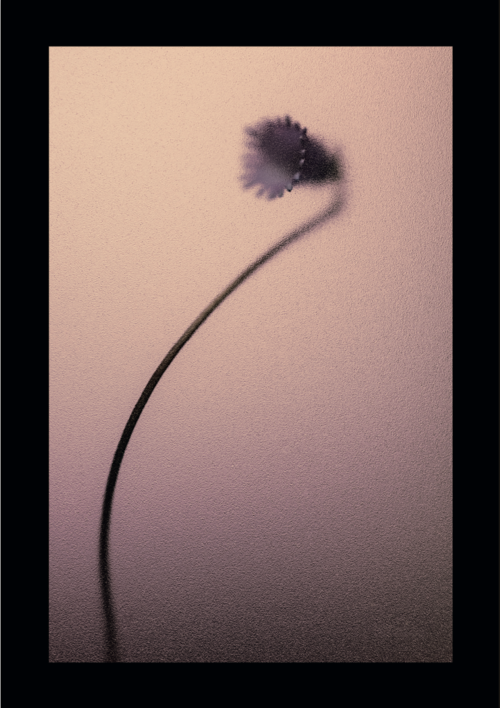
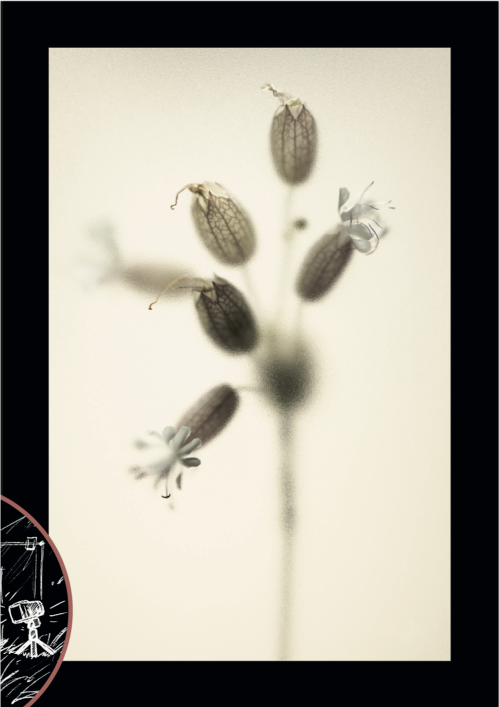
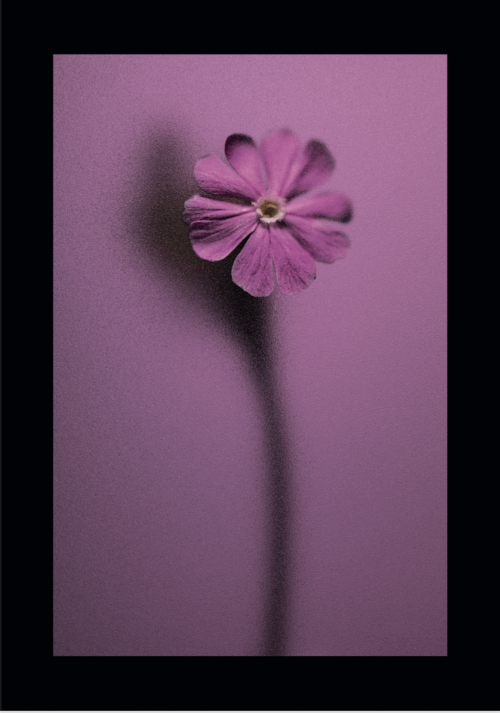
Using a thin layer of paper between the lens and the sub- ject, Gian Giovanoli lends the flowers a painterly depth. The result is serene, precise portraits of alpine flora — poetic photographs without artificial intelligence that invite a slower, more attentive gaze.
Brochure:
German / English / Italian